
Fatespun
Fatespun
Fatespun
Fatespun
Fatespun
Fatespun
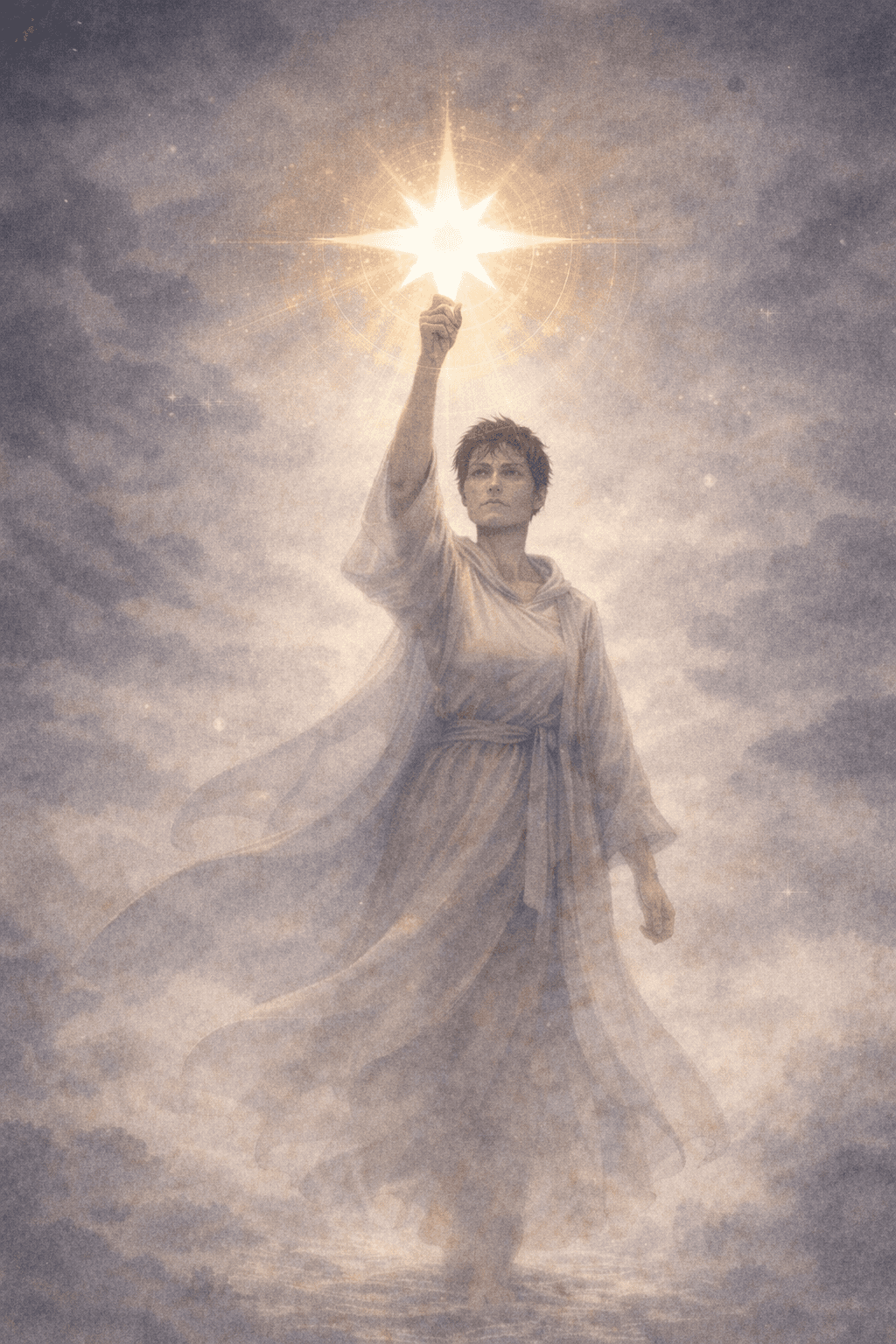
The Star
The Star
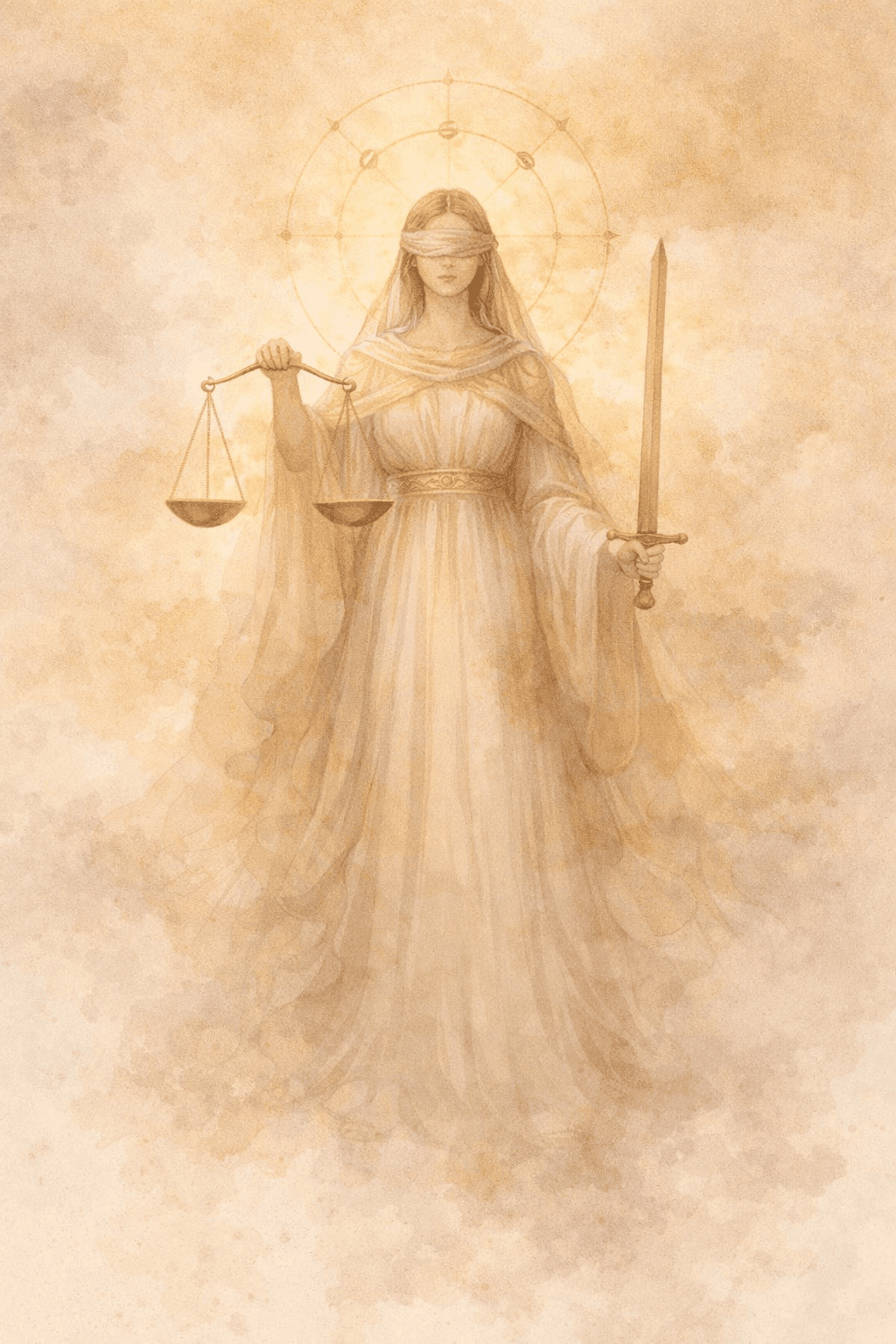
Justice
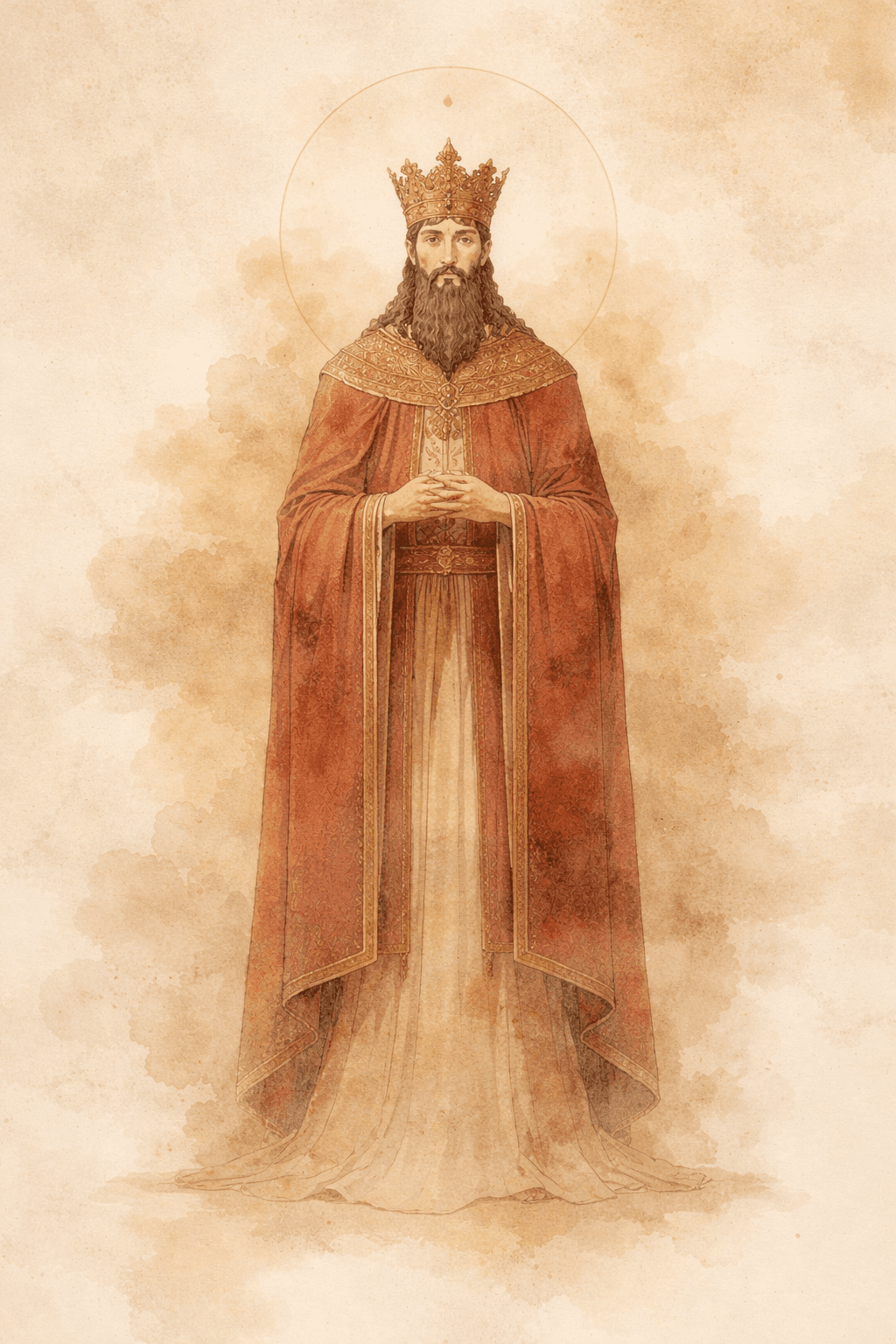
The Emperor
Visual examples from the tarot interpretation
Visual examples from the tarot interpretation
1. What Tarot Is
Tarot is a symbolic card system that originated in medieval Europe, used to interpret human experience, psychology, and change through visual imagery.
Originally, tarot cards were used for games. Over time, however, the images and symbols on each card came to be understood as representations of universal life experiences—such as emotion, choice, conflict, and growth. Today, tarot is less commonly viewed as a tool for predicting the future, and more often used as a way to interpret situations and understand psychological context through symbolism.
2. What Tarot Is Made Of
A traditional tarot deck consists of 78 cards, divided into two main groups: the Major Arcana and the Minor Arcana.
The Major Arcana represents pivotal life moments—major transitions, meaningful choices, and inner shifts that mark significant phases of human experience. The Minor Arcana reflects everyday life, expressing recurring emotions, actions, relationships, and practical circumstances in more specific and grounded terms.
Together, these two groups work as a unified system.
Rather than forecasting events, each card symbolically reveals the nature of a situation and the psychological state surrounding it.
3. What Tarot Reveals in This Report
In this report, tarot is used from a perspective slightly different from conventional readings. It is not intended to define your personality or predict future outcomes, but to serve as an interpretive layer that reflects the tendencies and attitudes already present within you through symbolic imagery.
Tarot Insight draws on the imagery and symbolism of each card to reveal qualities that already exist within you, but may not be easily recognized through language alone—your inner posture, the texture of your disposition, and the way you tend to meet life. Rather than focusing on what will happen next, tarot here reflects the center from which you have been making choices and responding to experiences.
In this process, tarot does not enumerate possibilities or suggest directions. Instead, it presents a single card that mirrors you. That card captures the form and atmosphere of the tendencies within you, helping you perceive yourself as an image rather than a conclusion.
In this way, tarot functions in this report as a symbolic interpretive tool, offering a visual reflection of your inner orientation.
1. What Tarot Is
Tarot is a symbolic card system that originated in medieval Europe, used to interpret human experience, psychology, and change through visual imagery.
Originally, tarot cards were used for games. Over time, however, the images and symbols on each card came to be understood as representations of universal life experiences—such as emotion, choice, conflict, and growth. Today, tarot is less commonly viewed as a tool for predicting the future, and more often used as a way to interpret situations and understand psychological context through symbolism.
2. What Tarot Is Made Of
A traditional tarot deck consists of 78 cards, divided into two main groups: the Major Arcana and the Minor Arcana.
The Major Arcana represents pivotal life moments—major transitions, meaningful choices, and inner shifts that mark significant phases of human experience. The Minor Arcana reflects everyday life, expressing recurring emotions, actions, relationships, and practical circumstances in more specific and grounded terms.
Together, these two groups work as a unified system.
Rather than forecasting events, each card symbolically reveals the nature of a situation and the psychological state surrounding it.
3. What Tarot Reveals in This Report
In this report, tarot is used from a perspective slightly different from conventional readings. It is not intended to define your personality or predict future outcomes, but to serve as an interpretive layer that reflects the tendencies and attitudes already present within you through symbolic imagery.
Tarot Insight draws on the imagery and symbolism of each card to reveal qualities that already exist within you, but may not be easily recognized through language alone—your inner posture, the texture of your disposition, and the way you tend to meet life. Rather than focusing on what will happen next, tarot here reflects the center from which you have been making choices and responding to experiences.
In this process, tarot does not enumerate possibilities or suggest directions. Instead, it presents a single card that mirrors you. That card captures the form and atmosphere of the tendencies within you, helping you perceive yourself as an image rather than a conclusion.
In this way, tarot functions in this report as a symbolic interpretive tool, offering a visual reflection of your inner orientation.
About Tarot Insight
About Tarot Insight
Fatespun
Fatespun
The Emperor
Justice
Fatespun
Fatespun
Fatespun
Fatespun